The Problem No One Could Ignore
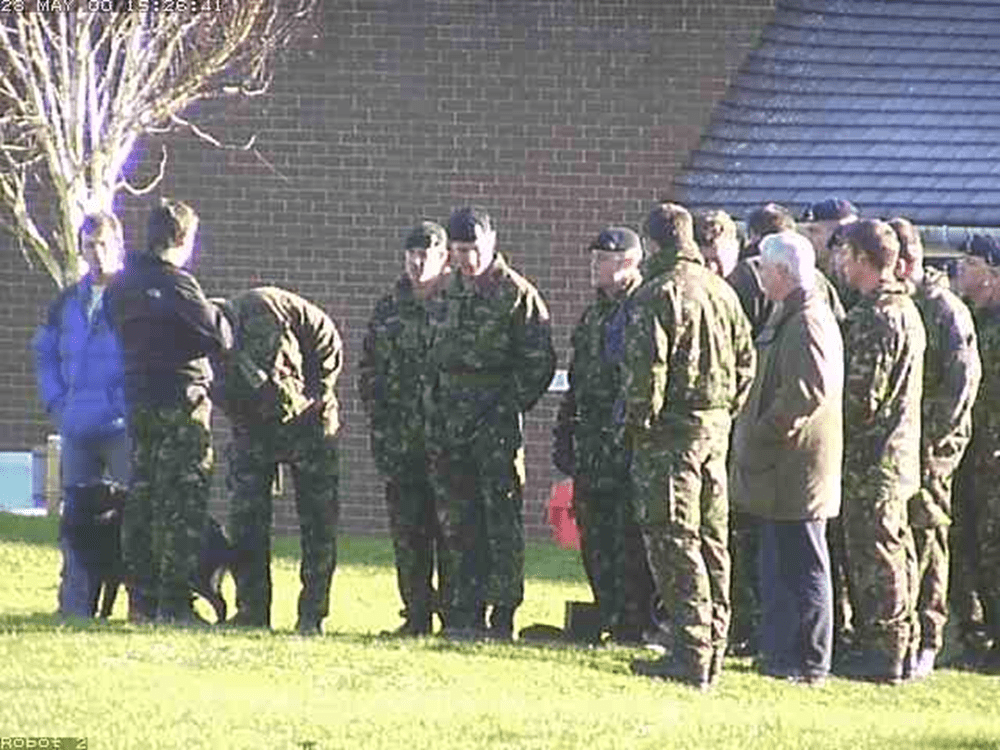
By 2008, operations in Afghanistan were being defined by IEDs, ambushes, and close-range urban threats. Patrols were routinely required to approach suspect vehicles, enter compounds, and inspect ground where a single mistake could be fatal.
Manual patrolling was expensive, slow, and dangerous — yet existing unmanned ground vehicles were either too large, too specialised, or too scarce to operate at platoon level. There was a clear gap between what soldiers were being asked to do and the tools they had to do it safely.
Mindsheet was commissioned by the UK Ministry of Defence to explore whether a new class of man-portable surveillance robot could reduce this exposure and give troops earlier warning without adding complexity or training burden.
The Moment Before You Step Forward
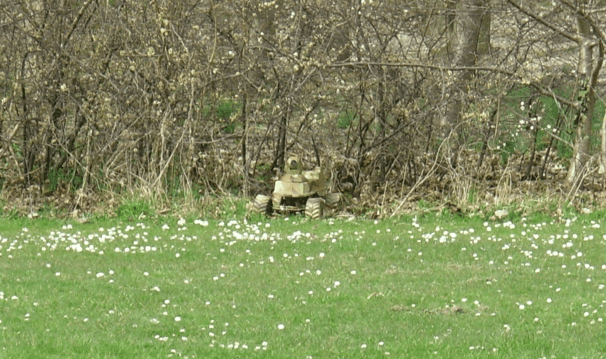
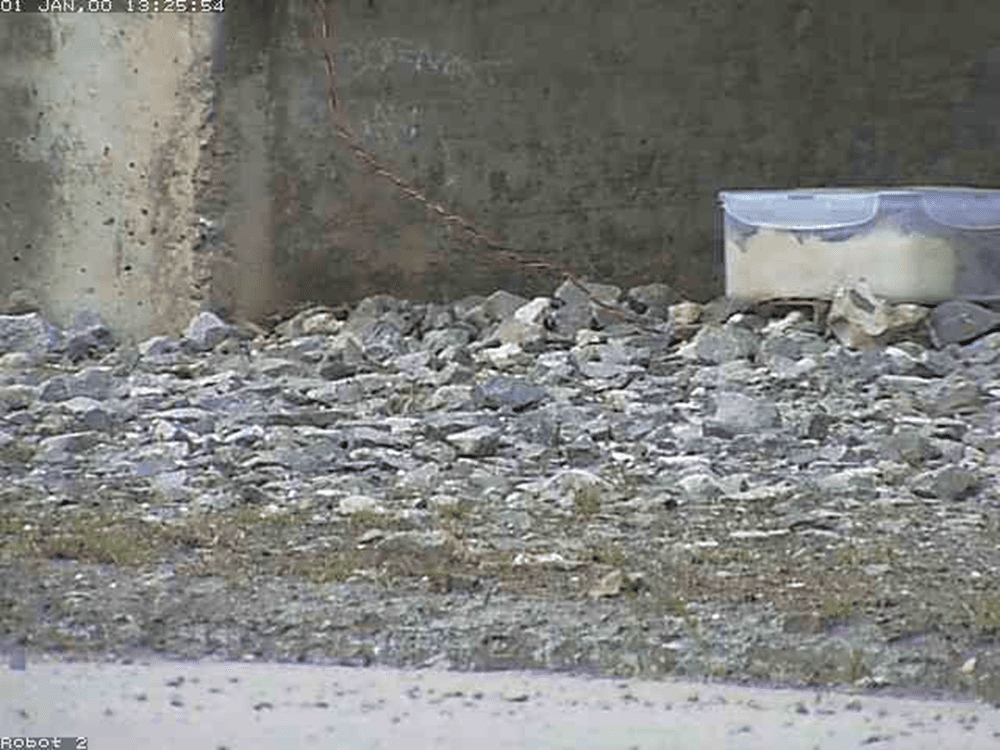
IEDs did not announce themselves. They hid under parked cars, inside doorways, along compound walls, and in the routines of everyday urban life. Soldiers knew the danger was there — but were forced to discover it at arm’s length.
What came through strongly in early interviews and Warminster trials was not a desire for more technology, but for distance. Distance from danger. Distance from uncertainty. A way to look first, before stepping forward.
The system did not need to replace specialists or solve every problem. It needed to take the first risk — quietly, reliably, and without drama — so a soldier didn’t have to.
Designing for How Soldiers Actually Work
From the outset, the programme was driven by direct engagement with users, including instructors and personnel with recent theatre experience.
The requirements were pragmatic and unambiguous:
- Small and light enough to be carried in a backpack
- Simple enough to use with only a few days’ training
- Robust in dust, heat, and confined urban spaces
- Useful immediately, without specialist support
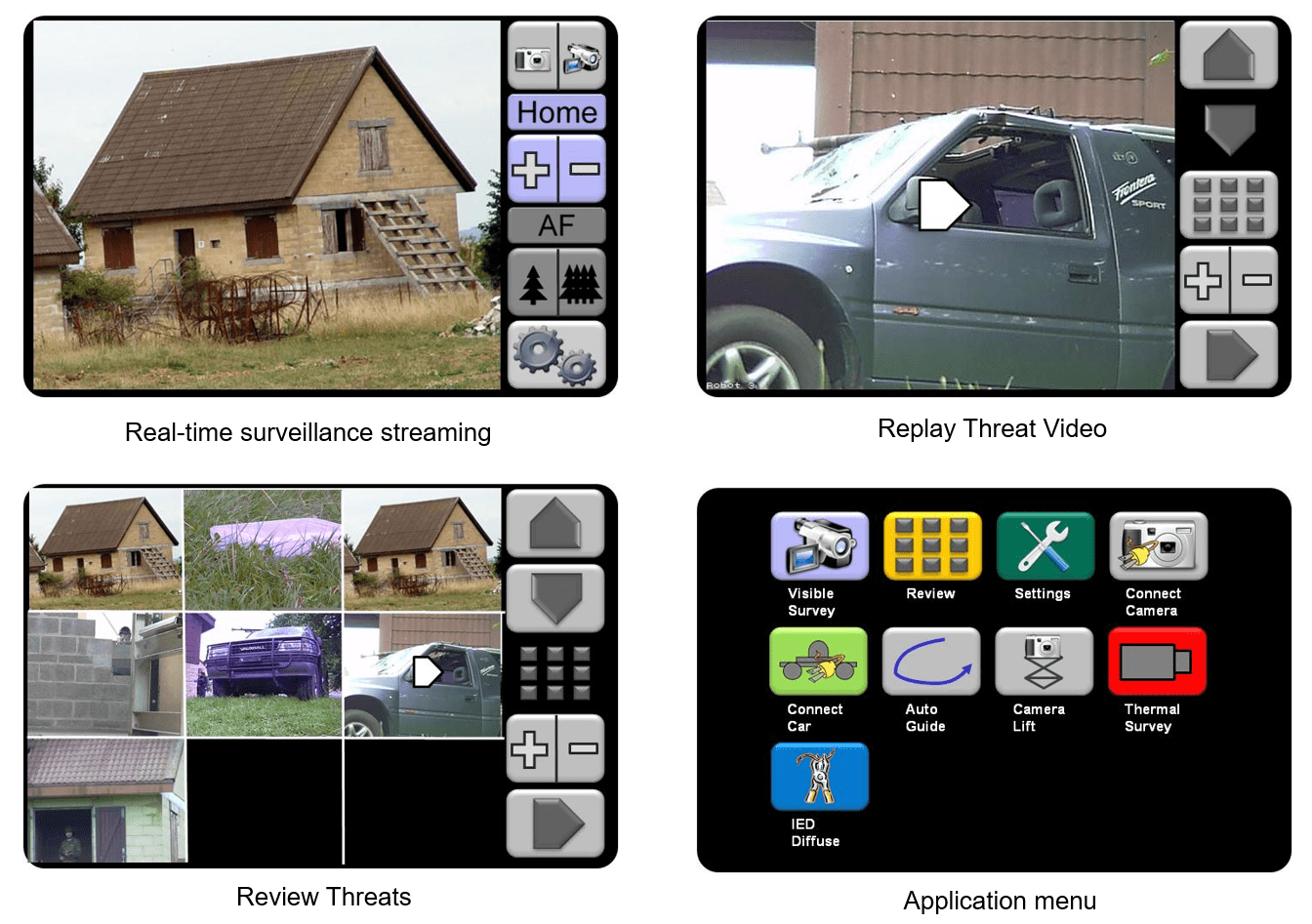
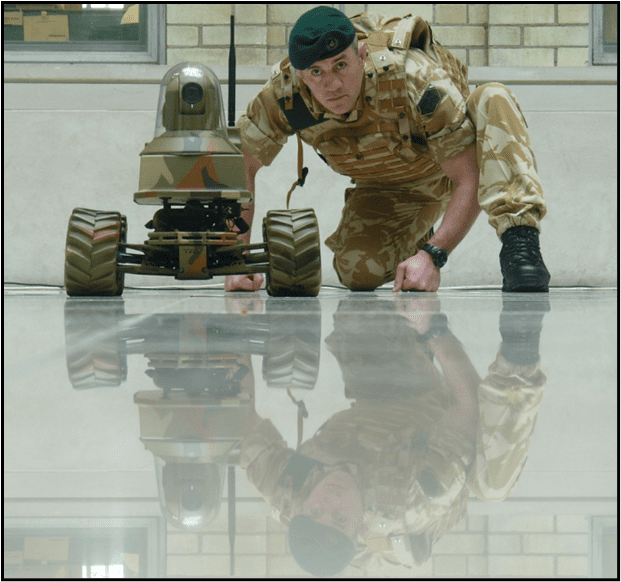
At Warminster, soldiers were achieving effective control within minutes. That mattered. In theatre, anything that feels awkward or slow simply doesn’t get used.
Rather than treating these as abstract requirements, Mindsheet structured the work around real jobs soldiers were already doing — checking under vehicles, clearing compounds, observing routes, and providing early warning.
Turning Risk Reduction into a Design Principle
The programme was shaped using an outcome-led approach, with a clear focus on what success actually looked like in operational terms.
Those outcomes were simple, but critical:
- Reduce the need for a soldier to approach a threat
- Enable inspection without exposure
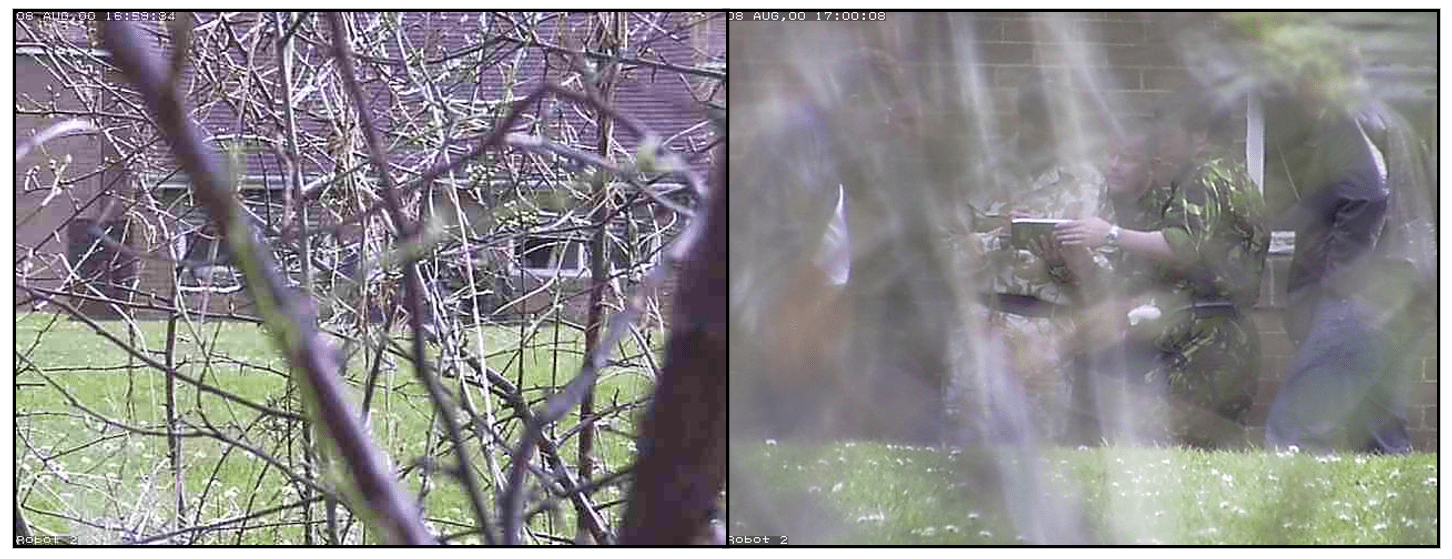
- Provide persistent observation at low cost
- Deploy quickly, quietly, and without fuss
Every design decision was tested against those outcomes. If it didn’t reduce risk or cognitive load, it didn’t belong.
The Robot as the First Step Into Danger
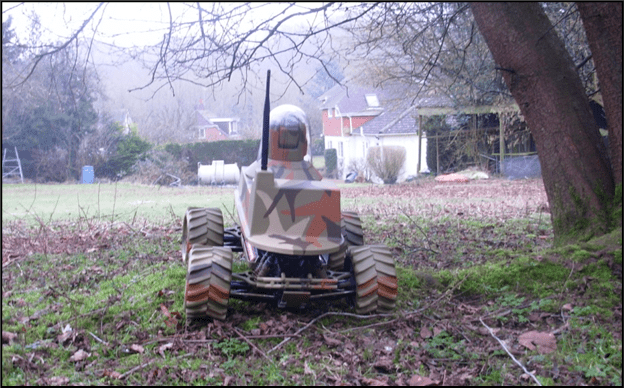
Testudo was never intended to be a robot that replaced soldiers. It was designed to be the step they didn’t have to take.
In practice, it became the equivalent of sending a torch beam into a dark room before entering — except the torch could move, wait, watch, and go somewhere a human shouldn’t. It absorbed uncertainty, hesitation, and risk in those first critical moments.
That framing mattered. Testudo wasn’t a vehicle. It was time, distance, and information — delivered before exposure.
A Small Platform with Outsized Impact
The resulting concept, Testudo, was deliberately modest in scale — and powerful in effect.
It was designed as a modular, extensible platform:
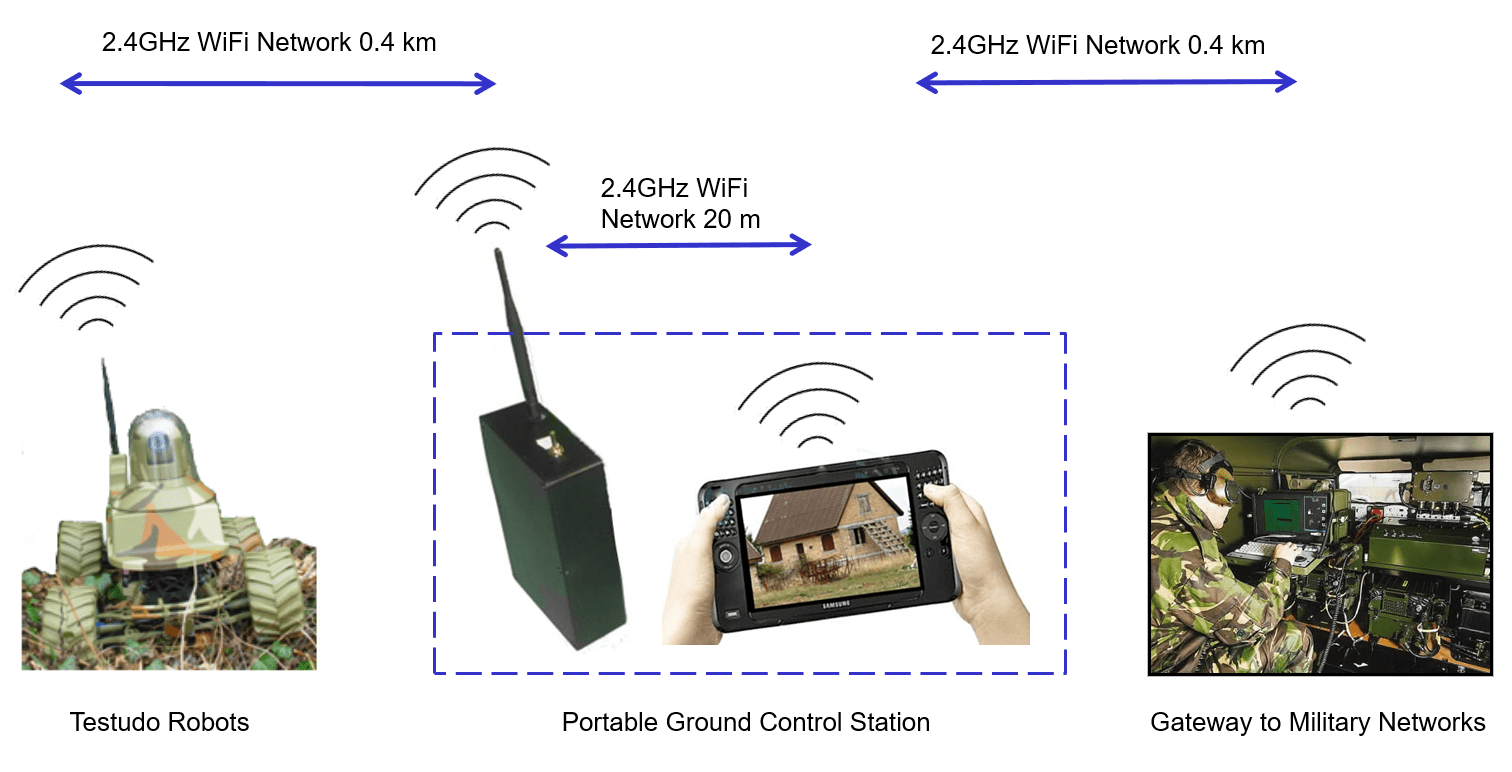
- A compact, low-profile tracked vehicle
- A backpack-based control station
- A simple core architecture with optional payloads
Payloads and behaviours could be added incrementally — thermal cameras, inspection tools, autonomous modes — without redesigning the base vehicle. Users were clear: keep the core simple, and let capability grow where it proves its worth Modular Mini Surveillance Robots.
Learning Fast, in the Right Environment
Rather than relying on laboratory evaluation, the programme progressed through real user trials, including reconnaissance courses and preparation for pre-theatre deployment.
Feedback from Major Craig Powers and other instructors confirmed:
- The system filled a genuine capability gap
- It made sense as a platoon-level asset
- It reduced hesitation and exposure in high-risk tasks
- Soldiers would find far more uses for it than designers ever could
That feedback directly shaped the roadmap toward theatre trials and potential production Interview Transcripts 020409.
Why This Approach Worked
Testudo succeeded because it did not try to be impressive. It tried to be useful.
It addressed the most dangerous part of urban operations — the unknown space just ahead — and did so without demanding new doctrine, new logistics, or new behaviour.
It gave soldiers back control over the moment before action.
How Mindsheet Works
Mindsheet specialises in innovation where failure carries real consequences. By starting with operational reality, engaging users early, and designing around outcomes rather than assumptions, we help organisations deliver capabilities that get used — not admired from a distance.
If you are developing systems where time, trust, and lives matter, Mindsheet can help.