
Complex Systems Don’t Fail for Lack of Data. They Fail for Lack of Meaning
Mindsheet was part of a multi-party grant-funded consortium led by Transport for London, tasked with addressing one of the hardest operational problems in public infrastructure: real-time decision-making in dense urban transport networks.
London’s traffic controllers were drowning in information. CCTV feeds, incident reports, roadworks, police updates. Yet they still lacked the ability to see, prioritise, and justify interventions quickly and coherently.
The challenge wasn’t technology.
It was turning fragmented signals into actionable judgement.
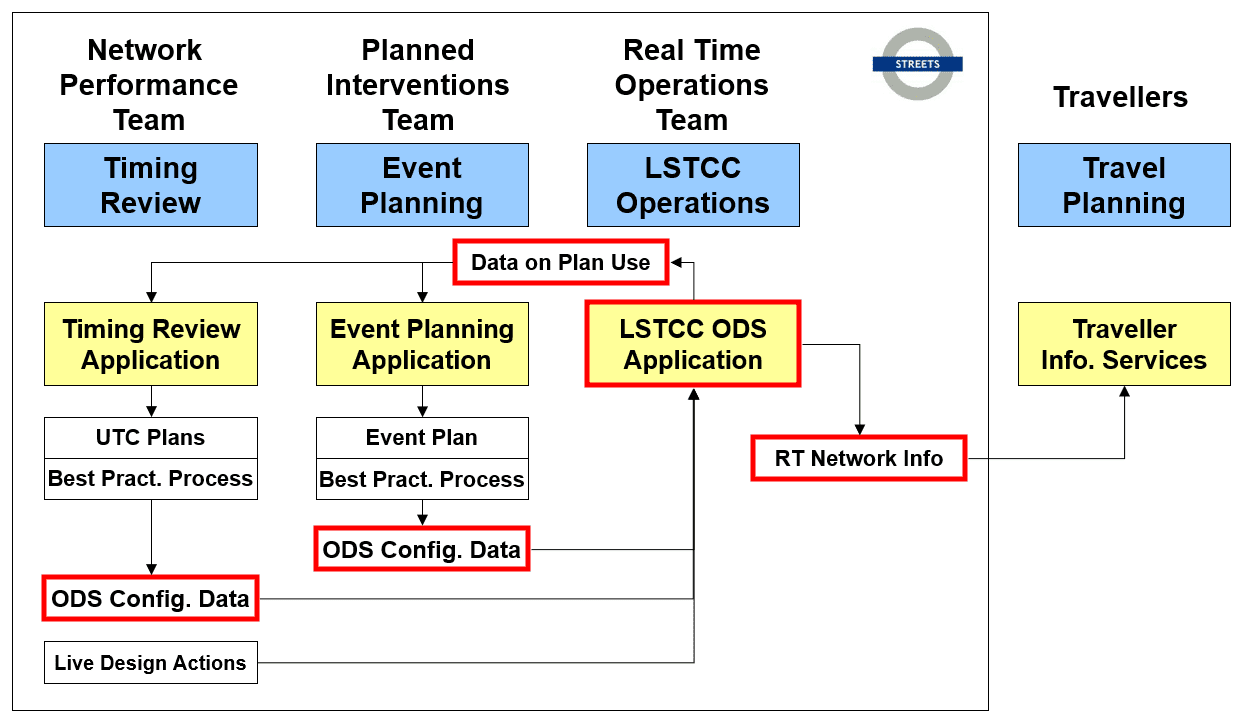
The Human Reality: Inside the Control Room
A single TfL controller might be responsible for 100 km of road network, monitoring over 100 live CCTV feeds, while coordinating with police, emergency services, and neighbouring control zones.
When incidents occurred, controllers had to:
- Decide what mattered now
- Coordinate responses across agencies
- Justify actions retrospectively in formal reports
The irony was brutal. Some of the most experienced people in the system spent hours writing reports after the fact, rather than being supported during the decision.
This wasn’t a skills problem.
It was a system design problem.

What Mindsheet Did Differently: Voice of the Customer at System Level
Rather than starting with solutions, Mindsheet led outcome-based market and user requirements work with TfL and partner authorities.
Key elements included:
- Direct engagement with traffic controllers and supervisors
- Mapping operational outcomes to measurable performance metrics
- Identifying where existing systems were over-serving trivial needs and under-serving critical ones
- Treating the transport network as a socio-technical system, not an IT deployment
This work formed the backbone of the Market Requirements Model used to drive innovation across the FREEFLOW programme.
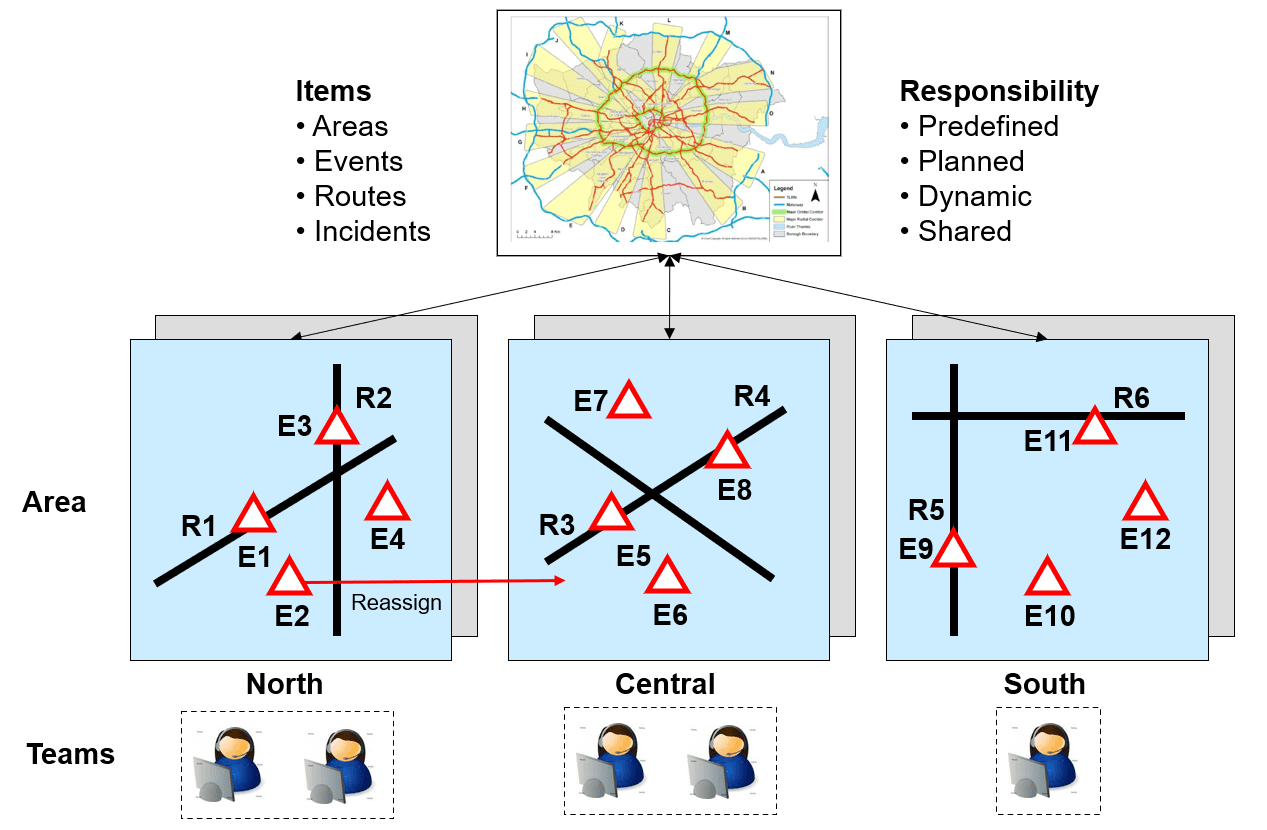
The Conceptual Leap: Borrowing from Defence, Not Reinventing Transport
Urban traffic control, it turned out, looked far less like an IT dashboard and far more like a command-and-control problem.
Mindsheet helped reframe the challenge by transferring proven ideas from:
- Military ISTAR
- Industrial process control
- Complex incident management
The result was a set of concepts where:
- Data was structured into situational perspectives
- Operators were guided by protocols, not overwhelmed by alerts
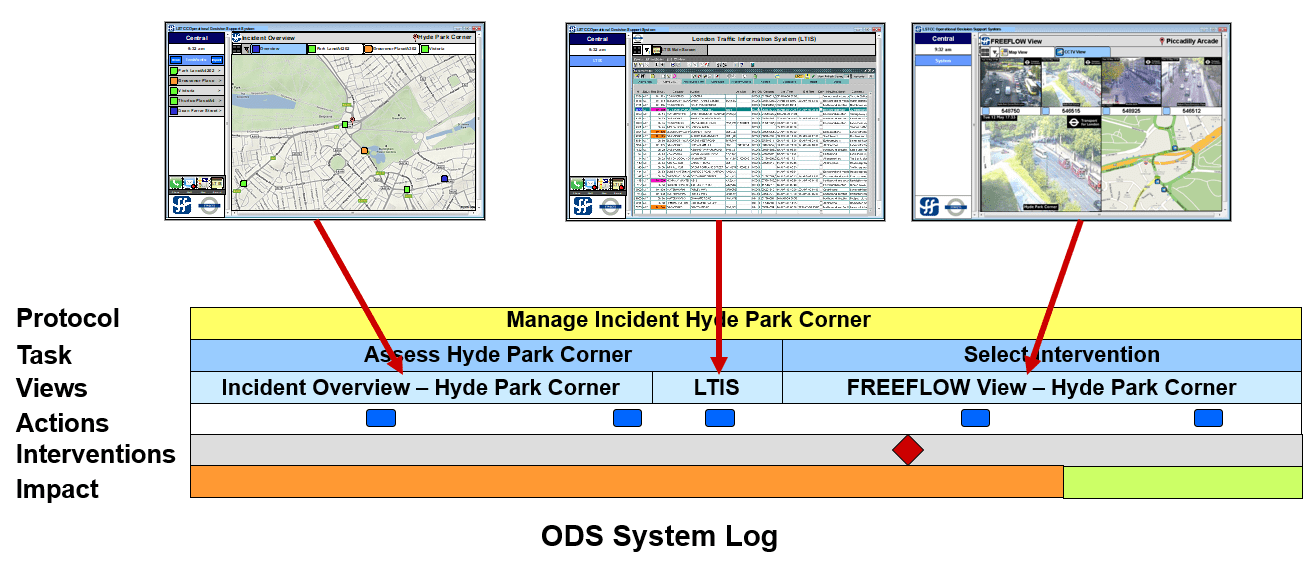
- Decisions were captured as they happened, not reconstructed later
This was not another system.
It was a decision-support layer that sat above legacy infrastructure.
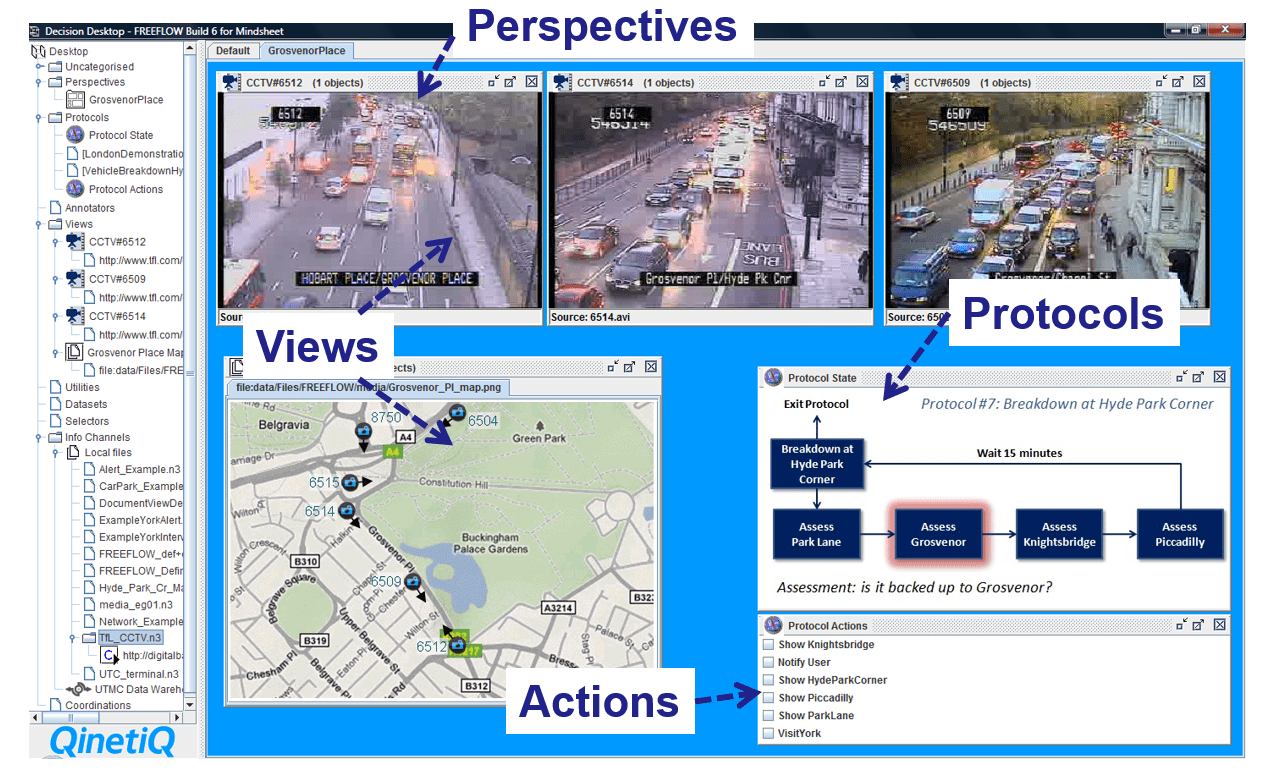
From Insight to Artefact: Concept Creation that Operators Could Touch
A critical Mindsheet contribution was recognising that abstract requirements failed, but working concepts unlocked real feedback.
Through iterative concepting and demonstrators:
Controllers could see how alerts, maps, timelines and CCTV fed into a single decision flow
Reporting was reframed as a by-product of action, not a clerical burden
Operator annotations became a learning asset for training and future automation
This approach directly influenced adoption appetite and engagement across TfL and partner authorities.
The Deeper Lesson: Innovation Happens Where Domains Collide
FREEFLOW showed that the breakthrough didn’t come from building better transport tools.
It came from importing mature thinking from harsher, faster-moving domains and adapting it to public infrastructure.
Like air traffic control for roads.
Like military playbooks for civilian resilience.
The Outcome: A Credible Path to Non-Marginal Improvement
The project delivered:
- A validated framework for outcome-based transport innovation
- Demonstrated concepts aligned with real operator behaviour
- A roadmap for reusing non-transport technologies in ITS
- Strong engagement from TfL and other authorities
Most importantly, it proved that deep market insight and user understanding must precede system architecture, not follow it.
Don’t Start with the System. Start with the Decision
If your organisation is tackling complex, multi-stakeholder problems and your solutions feel technically sound but operationally fragile, the issue is rarely engineering.
It’s meaning.
Mindsheet helps organisations uncover what users are really trying to achieve, and then design concepts that change outcomes, not just interfaces.
Talk to us before complexity becomes paralysis.
FREEFLOW Consortium Partners
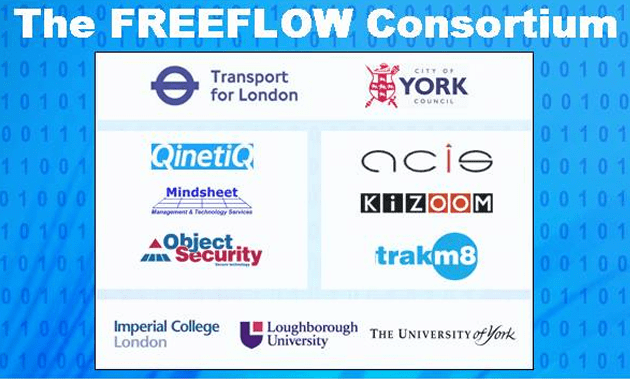
Network Operators / Authorities
- Transport for London (TfL)
- Kent County Council
- City of York Council
Systems and Technology Partners
- Mindsheet
- QinetiQ
- ObjectSecurity (via Trakm8)
Transport and Data SMEs
- ACIS
- Kizoom
- Trakm8
Academic and Research Partners
- Imperial College London
- Loughborough University
- University of York
Associate and Supporting Partners
- BT
- ITIS Holdings
- ITO